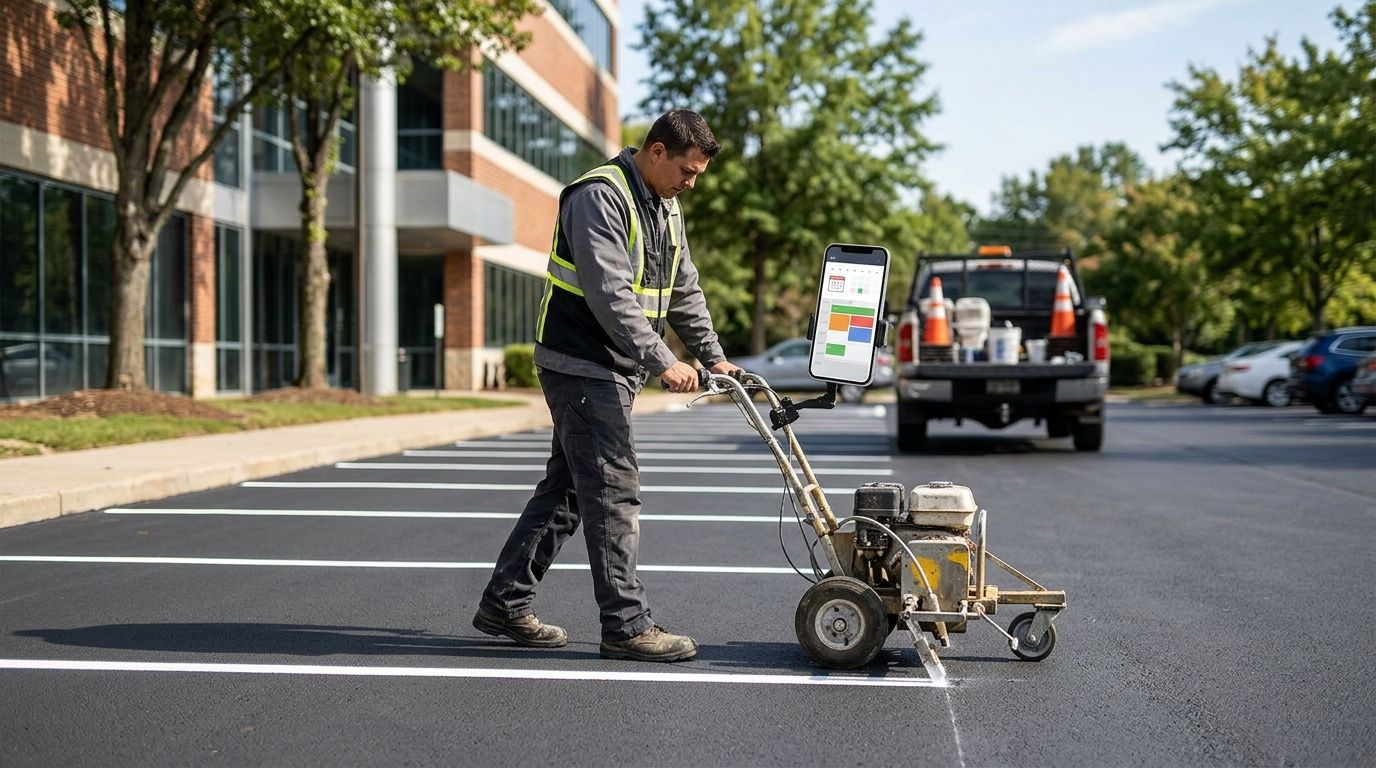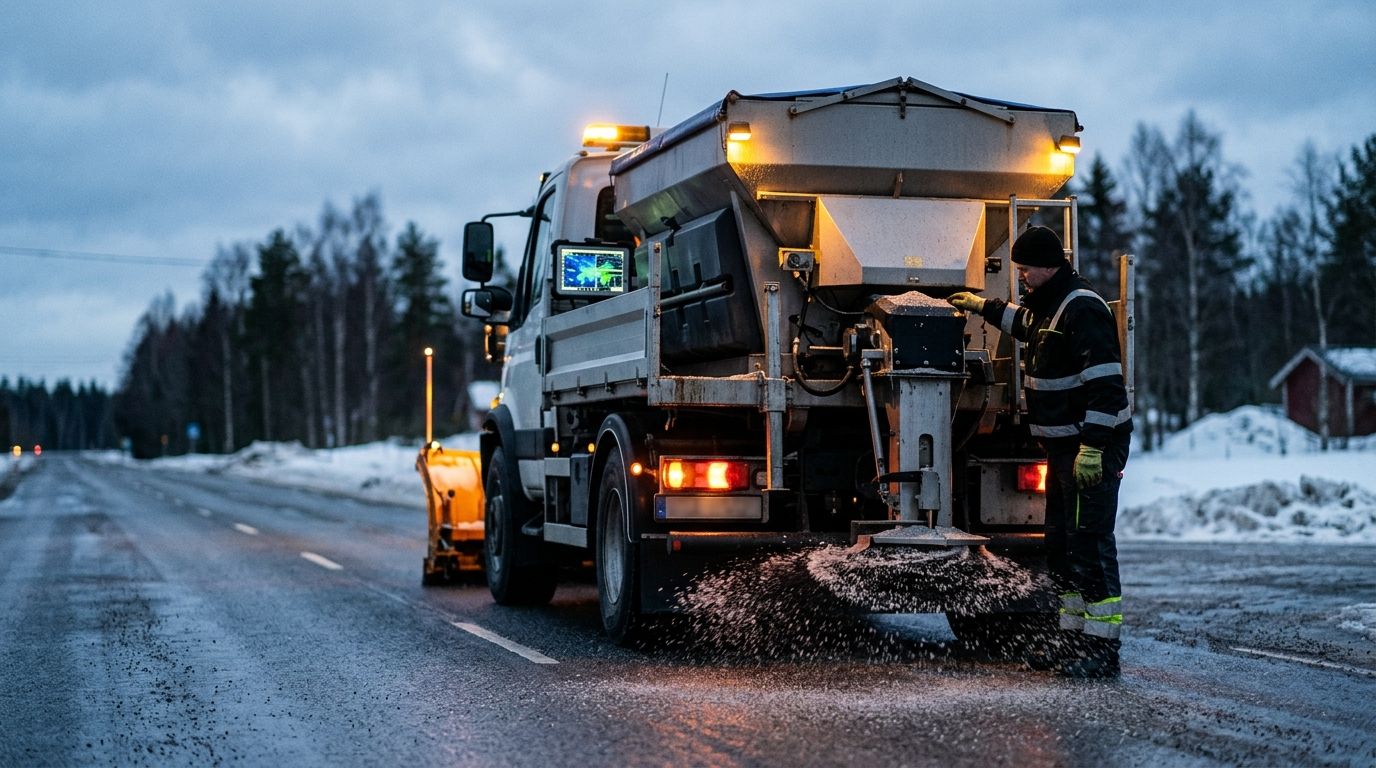
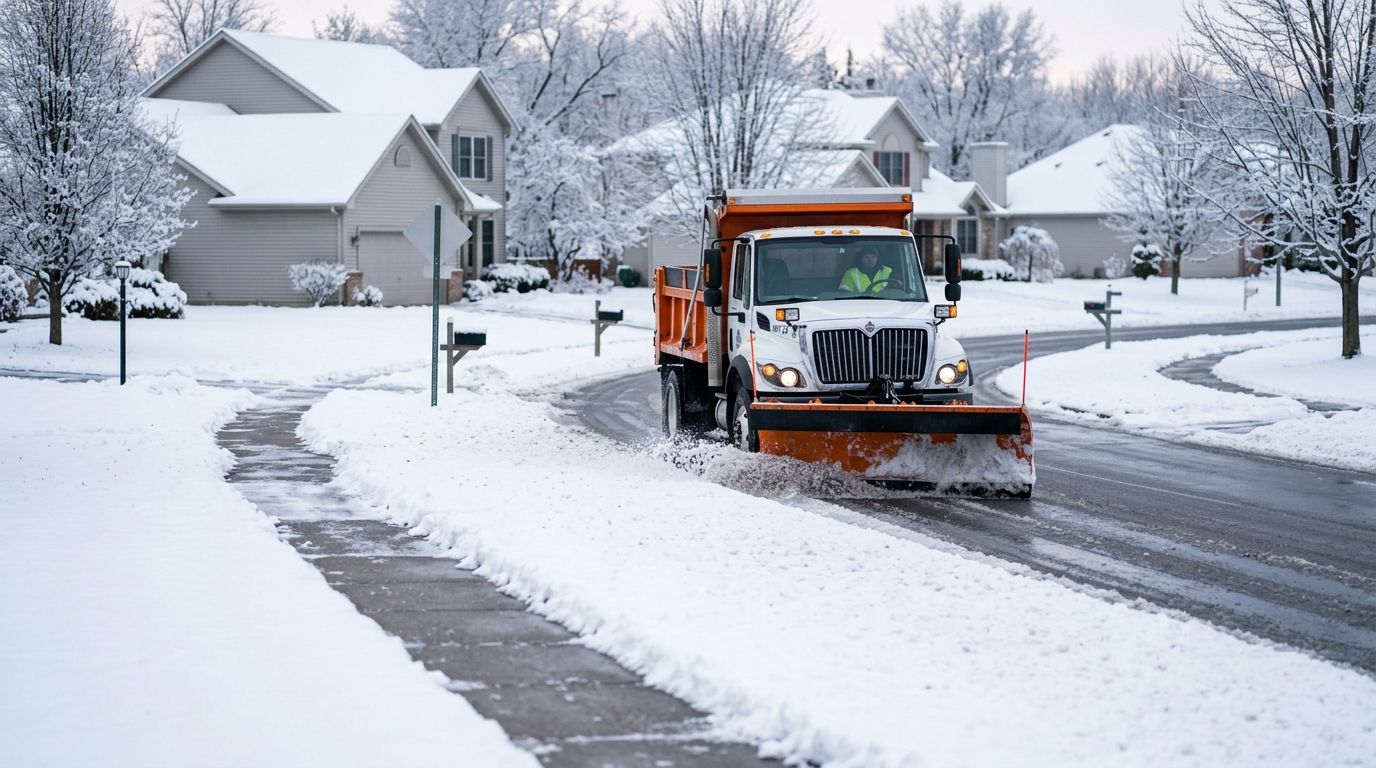
Enrolling in a residential snow route with St. Louis Snow Removal takes about five minutes online. Getting your driveway cleared after the season's first real storm depends on three things: your trigger depth, your route assignment, and how far back in the queue that trigger event puts you. Below is the residential snow route enrollment workflow from signup to first plow, plus the one gotcha that catches people who sign up after the flakes start falling.
- St. Louis Snow Removal dispatches residential routes by trigger depth, not phone calls — no on-demand ambiguity once you're enrolled.
- Enroll before a storm is forecast; routes typically lock for an active event, so mid-storm signups queue for the next trigger.
- Crews clock in with geo-stamped timestamps, so your account shows documented proof of when a plow or shovel crew was on site.
- Notification settings control whether you get an alert — they don't change when the crew is dispatched.
- Coverage runs across the St. Louis metro and Metro East Illinois; confirm your address sits inside an active route before winter 2026 starts.
Why this matters
Homeowners hire snow removal for one reason: they don't want to shovel or guess whether a plow is coming. The residential snow route enrollment workflow at St. Louis Snow Removal removes the guessing by tying dispatch to a measurable number — trigger depth — instead of a callback queue. That's the difference between "we'll get to you" and a documented visit tied to a timestamp.
Most of the confusion homeowners run into isn't about service quality. It's about timing: when does enrollment actually take effect, and what happens the moment snow starts falling on the day you signed up. Both questions have specific answers, and both matter more in 2026 than they used to, since storm systems in the region have been arriving with less lead time on forecasts.
Before you start
- Have your exact service address and any driveway access notes ready — routes are built around what a truck can physically reach, not just a mailing address.
- Know your trigger depth preference, or accept the route default. This single number decides when a crew is dispatched to your street, not a phone call from you.
- The gotcha: enrolling once snow is already falling does not retroactively add you to that storm's active route. Crew lists for an event in progress are typically locked before the first trigger depth is hit, so late signups queue for the next storm, not the current one.
Enroll your address on the residential snow route
- Go to stlouissnowremoval.com and submit your property address, contact info, and any driveway or walkway access details.
- Confirm the Trigger Depth Preference for your route — the accumulation threshold that puts a truck in motion. Residential routes in the St. Louis market commonly run in the 1 to 2 inch range.
- Verify your address falls inside an active residential zone for the St. Louis metro or Metro East Illinois before you commit to anything.
Expected result: you get an enrollment confirmation tying your specific address to a route and a trigger depth — not a vague promise to "get to you when it snows."
Set your storm notification preferences
- Choose text or email under Notification Method at signup, or update it later from your account.
- Toggle whether you want an alert before the trigger event, an arrival alert when the crew is on site, or both.
Expected result: you know when a crew is coming or has arrived. Notifications don't move your position in the queue — trigger depth still does that.
What happens when snowfall crosses the trigger depth
- Snowfall accumulation on your route crosses the trigger depth set at enrollment.
- Dispatch queues your route's assigned crew automatically — no on-demand phone call or request needed from you.
- The crew clocks in on arrival with a geo-stamped timestamp.
- The crew clears the enrolled surfaces — driveway and walkway, per your route's scope.
- Documentation attaches to your account so the visit shows a time, not just a claim that someone showed up.
Expected result: your address gets cleared in trigger-based queue order, and the visit is timestamped. That's the whole model behind residential snow route enrollment — no "trust me, we were there."
“If the storm hasn't crossed the trigger depth, no truck moves — that's the whole model, not an excuse.”
Want an arrival text instead of just a confirmation email
The same crew-arrival notification logic that commercial property managers use to notify tenants when snow removal crews arrive on site applies to enrolled homeowners too. If you want a text the moment the plow pulls onto your street rather than a generic confirmation after the fact, set the arrival alert under your notification preferences during enrollment or from your account afterward. This doesn't change dispatch order — it just changes how fast you find out.
Troubleshooting
- You enrolled mid-storm and didn't get plowed that day. You queued for the next trigger event, not the one already in progress. This is the single most common complaint from new residential signups in 2026, and it's a timing issue, not a service failure.
- Your address shows outside coverage. Confirm whether it sits at the edge of the St. Louis metro or inside Metro East Illinois — route boundaries are drawn around drivable clusters, not zip code lines.
- You never got a notification. Check the phone number or email on file for a typo before assuming the alert didn't fire.
- The driveway wasn't fully cleared. Parked cars, trailers, or toys left in the driveway block a full pass. Move anything movable before your trigger depth is forecast to hit.
- Your trigger depth feels wrong for your street. A shaded, north-facing driveway that ices faster than the route average is a legitimate reason to request a trigger depth review for the following season.
Customize your workflow
You can request a trigger depth review each season if your driveway behaves differently than the route default — more shade, more slope, more wind drift. If you're weighing residential enrollment against a full commercial-style contract for a rental property or small business lot, the trigger-to-dispatch logic scales the same way; see how snow depth triggers turn into dispatched plow crews for the underlying mechanics St. Louis Snow Removal runs on for both residential routes and commercial lots.
Enroll your address before the next trigger event
Set your trigger depth now so you're not queued for the storm after the one that's coming.
FAQ
What is a residential snow route enrollment workflow?
It's the sequence from signing up online to your first documented plow: submit your address, set a trigger depth, get queued automatically when snowfall crosses that threshold, and receive a timestamped record of the visit. St. Louis Snow Removal runs residential routes on this trigger-based model rather than on-demand calls.
How fast does a plow show up after I enroll?
Enrollment itself takes minutes, but your address doesn't get plowed until the next snowfall crosses your route's trigger depth. Enrolling doesn't trigger an immediate visit — it puts you on the route for the next qualifying storm.
Does enrolling mid-storm get me plowed that day?
Usually not. Crew lists for an active storm are typically locked before the first flake, so signups during an ongoing event queue for the next trigger depth event instead of the current one.
What is a trigger depth?
Trigger depth is the accumulation threshold that automatically dispatches a crew to your route, commonly 1 to 2 inches on residential routes in the St. Louis market. It replaces a phone call with a measurable number.
Can I get a text when the crew arrives at my house?
Yes. Toggle the arrival alert under your notification preferences during enrollment or later from your account. This changes how fast you find out, not when the crew is dispatched.
Does St. Louis Snow Removal cover Metro East Illinois for residential routes?
Coverage spans the St. Louis metro and Metro East Illinois. Confirm your exact address falls inside an active residential zone before you enroll, since route boundaries follow drivable clusters, not zip code lines.
What if my driveway wasn't fully cleared after a plow pass?
Check first for obstacles like parked cars or trailers that block a full pass. If the driveway was clear and the job still looks incomplete, flag it through your account so it's addressed against the documented visit record.
How is a residential snow route different from a commercial snow contract?
Residential routes run on a single trigger depth per enrolled address with arrival notifications built in. Commercial contracts add scope like sidewalk clearing, salting, and documented service logs sized for liability and property management needs.
One last thing
The trigger depth number on your account is the single lever that decides your queue position — not your phone, not a callback, not how many times you check the weather app. Check it before the season's first flake in 2026, not after the first storm has already come and gone.