
Porter's Lawn Service is worth keeping when an established working relationship delivers the scope your property needs. That relationship is not a substitute for a written winter plan covering pavement, sidewalks, ice treatment, and service records. The best Porter's Lawn Service alternative in 2026 is St. Louis Snow Removal if you need documented commercial snow and ice service; a separate winter-service arrangement fits if you want to retain your existing contractor for other work.
- For porter's lawn service alternatives, St. Louis Snow Removal fits documented commercial snow plowing, salting, and sidewalk clearing.
- Compare written winter scopes, not company names or assumptions about what a lawn-service agreement includes.
- Homeowners should distinguish enrolled residential snow routes from commercial property service.
- Keep Porter's Lawn Service when the agreed scope and actual performance meet your requirements.
Why this matters
A winter contractor comparison starts with the work you need covered. A parking lot, an entrance walk, and an icy pedestrian connection are different assignments; putting them under one contractor's name does not define responsibility.
For your 2026 decision, separate the contractor relationship from the service specification. Decide what must happen, what starts the work, and what evidence you need afterward. Then compare each proposal against that same specification.
This comparison ranks service approaches rather than making unsupported claims about competing crews. Use your actual Porter's agreement as the benchmark—not an assumption that a business name proves or excludes a particular capability.
Porter's Lawn Service alternatives at a glance
| Provider or approach | Best for | Distinguishing feature | Trade-off | Comparison with Porter's |
|---|---|---|---|---|
| Porter's Lawn Service | Keeping a relationship that meets your requirements | Your existing agreement and performance history provide the benchmark | Familiarity alone does not define winter responsibilities | Stay when the written scope matches the work you need |
| St. Louis Snow Removal | Documented commercial snow and ice work | Commercial plowing, de-icing/salting, sidewalk clearing, and parking lot striping | Residential service is an enrolled snow-route model, not interchangeable with a commercial agreement | Compare the proposed winter scope and documentation against your current agreement |
| Separate winter-service arrangement | Retaining an existing contractor for other work | Assigns winter work to a distinct agreement | You must manage responsibility between contractors | Changes winter coverage without requiring a wholesale contractor replacement |
| In-house winter management | Properties choosing to direct their own winter work | Your organization controls assignments and records | Your organization also owns staffing, equipment, materials, and supervision | Replaces contracted execution with internal responsibility |
Choose the service model before choosing the contractor. A familiar provider, a separate winter contract, and internal management solve different operating problems.
1. St. Louis Snow Removal: best for documented winter service
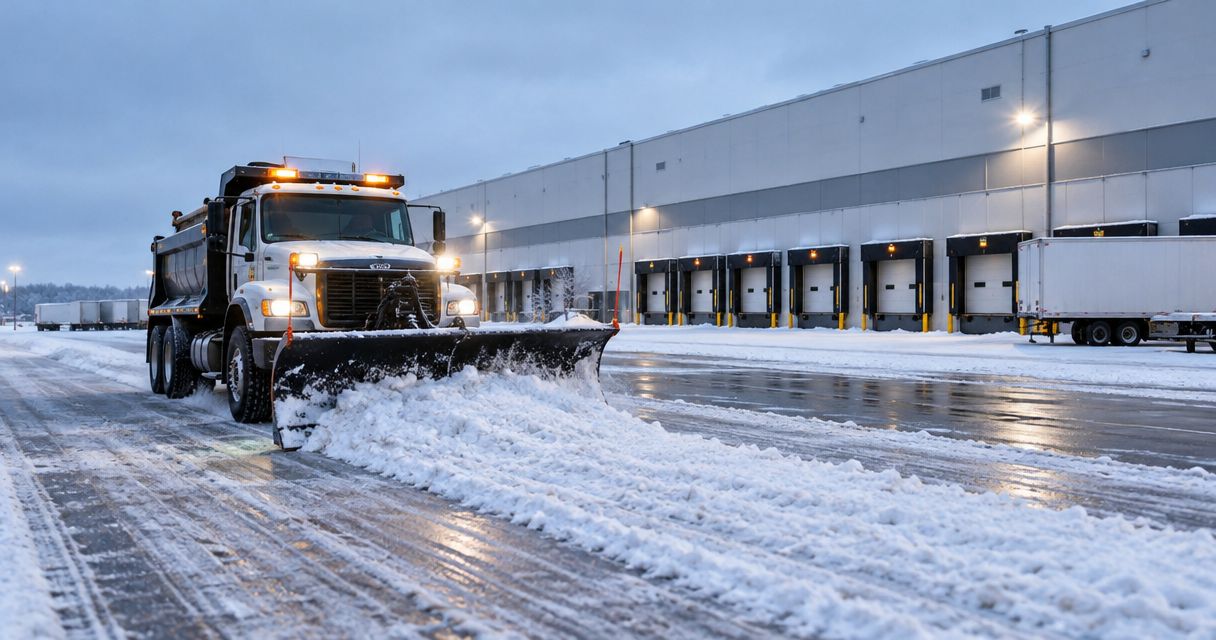
St. Louis Snow Removal provides documented commercial snow plowing, de-icing/salting, sidewalk clearing, and parking lot striping across the St. Louis metro and Metro East Illinois. It also provides enrolled residential snow-route service for homeowners. That makes it a relevant alternative when your search concerns winter access and pavement work rather than a replacement lawn-care program.
The distinction is operational. You are comparing defined winter tasks and service evidence, not treating every exterior-maintenance contractor as interchangeable.
Where this option shines
- Commercial winter scope: Plowing, de-icing/salting, and sidewalk clearing are explicit services.
- Documented work: Service documentation is part of the stated offering, not a reason to rely only on verbal confirmation.
- Regional fit: The stated service area includes the St. Louis metro and Metro East Illinois.
- Pavement maintenance: Parking lot striping is also an explicit service for properties evaluating that work separately.
Where this option falls short
- Not a complete lawn-care substitution: The stated offering addresses snow, ice, residential routes, and striping. Keep lawn-care requirements separate in your comparison.
- Enrollment matters for homeowners: Residential snow-route service requires a different decision from a commercial property agreement. Do not treat enrollment as an on-demand dispatch promise.
- Site details still need agreement: A service list does not establish your property's trigger depth, treatment boundaries, visit timing, or reporting requirements.
Head-to-head: compare the actual agreements
| Dimension | This alternative's stated offering | What to check in your Porter's agreement |
|---|---|---|
| Commercial pavement | Snow plowing and de-icing/salting | Which pavement areas and treatments are included? |
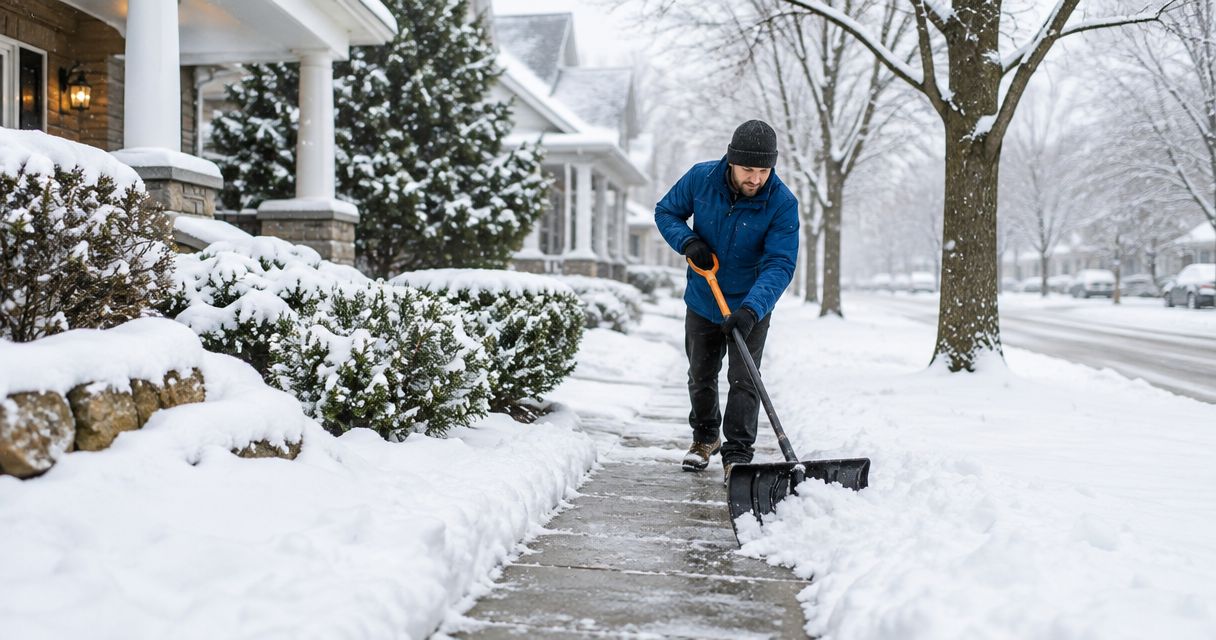
| Pedestrian areas | Sidewalk clearing | Are entrances, connecting walks, and other pedestrian areas assigned? |
| Accountability | Documented commercial service | What records accompany completed work? |
| Household service | Enrolled residential snow routes | What service arrangement applies to your home? |
For a 2026 proposal, send a marked site plan and ask the contractor to return the same plan with included areas, exclusions, and service responsibilities identified. This turns a broad service description into a property-specific agreement.
Best for: Property managers and businesses seeking documented winter service, plus homeowners specifically seeking enrolled snow-route service.
Verdict: Buy when the written proposal matches your site, operating needs, and documentation requirements.
2. Separate winter service: best for keeping your existing relationship
A separate winter-service arrangement lets you retain Porter's Lawn Service for work you want to keep while assigning snow and ice responsibilities under another agreement. This is a procurement choice, not a claim that Porter's lacks winter capabilities. Compare it when your current relationship works but you want a distinct winter scope.
The essential document is a responsibility map. Every area should have an assigned contractor, and overlapping work should have an agreed handoff.
Where this approach shines
- Narrower change: You replace or supplement the winter arrangement instead of changing every exterior-maintenance responsibility.
- Explicit boundaries: Separate agreements let you state which contractor handles plowing, walks, ice treatment, and follow-up work.
- Independent winter review: You can evaluate winter performance against winter-specific requirements.
Where this approach falls short
- More coordination: You manage separate contacts, agreements, and completion records.
- Boundary disputes: An entrance, loading area, or connecting walk needs an assigned owner; shared assumptions do not constitute a handoff.
- Separate administration: Your team must reconcile which contractor performed which task before approving work.
Before using this approach, identify who receives weather-related requests and who authorizes work outside the agreed scope. Put those responsibilities in writing rather than expecting contractors to resolve them during an event.
Best for: Property managers satisfied with an existing relationship who want winter work separately specified and managed.
Verdict: Buy when the responsibility map leaves no unassigned areas or conflicting instructions.
3. In-house winter management: best for direct operational control
In-house winter management puts your organization in charge of assignments, execution, and records. It is an alternative to contracting out the work, not simply a different contractor selection.
Where this approach shines
- Direct priorities: Your team sets the order of work around the property's operating needs.
- Internal records: You decide how staff record inspections, completed tasks, and unresolved conditions.
- Clear supervision: Your organization assigns and reviews the work directly.
Where this approach falls short
- Full operating responsibility: Staffing, equipment, materials, training, and supervision become your organization's tasks.
- Coverage planning: Absences and simultaneous site needs still require a written response plan.
- No automatic relief from documentation: Internal work needs records just as contracted work does.
Best for: Organizations prepared to manage winter operations as an internal responsibility rather than an incidental staff duty.
Verdict: Hold until you have assigned staff, equipment, supplies, supervision, and backup responsibilities.
Why people switch from Porter's Lawn Service
Switching makes sense when your required scope differs from your current agreement. That is a decision rule—not a claim about Porter's customer experience, service failures, or contract terms.
For a 2026 review, use these specific reasons to examine a change:
- Your property needs documented winter work. Define the records you need and compare them with what your current agreement requires.
- Your winter scope has changed. Added pedestrian routes, different access needs, or newly assigned pavement areas require an updated service specification.
- You want winter responsibility separated. A dedicated winter agreement can establish a distinct owner for plowing, treatment, and sidewalk work.
- You need a residential route arrangement. Compare enrollment terms with your household's access requirements instead of assuming a commercial service model applies.
- You want snow work and striping considered together. Specify each service separately, even when evaluating one provider for both.
Do not switch because an alternatives list puts a company first. Switch when the proposed agreement solves a defined requirement that your current arrangement does not address.
Compare proposals in the same order
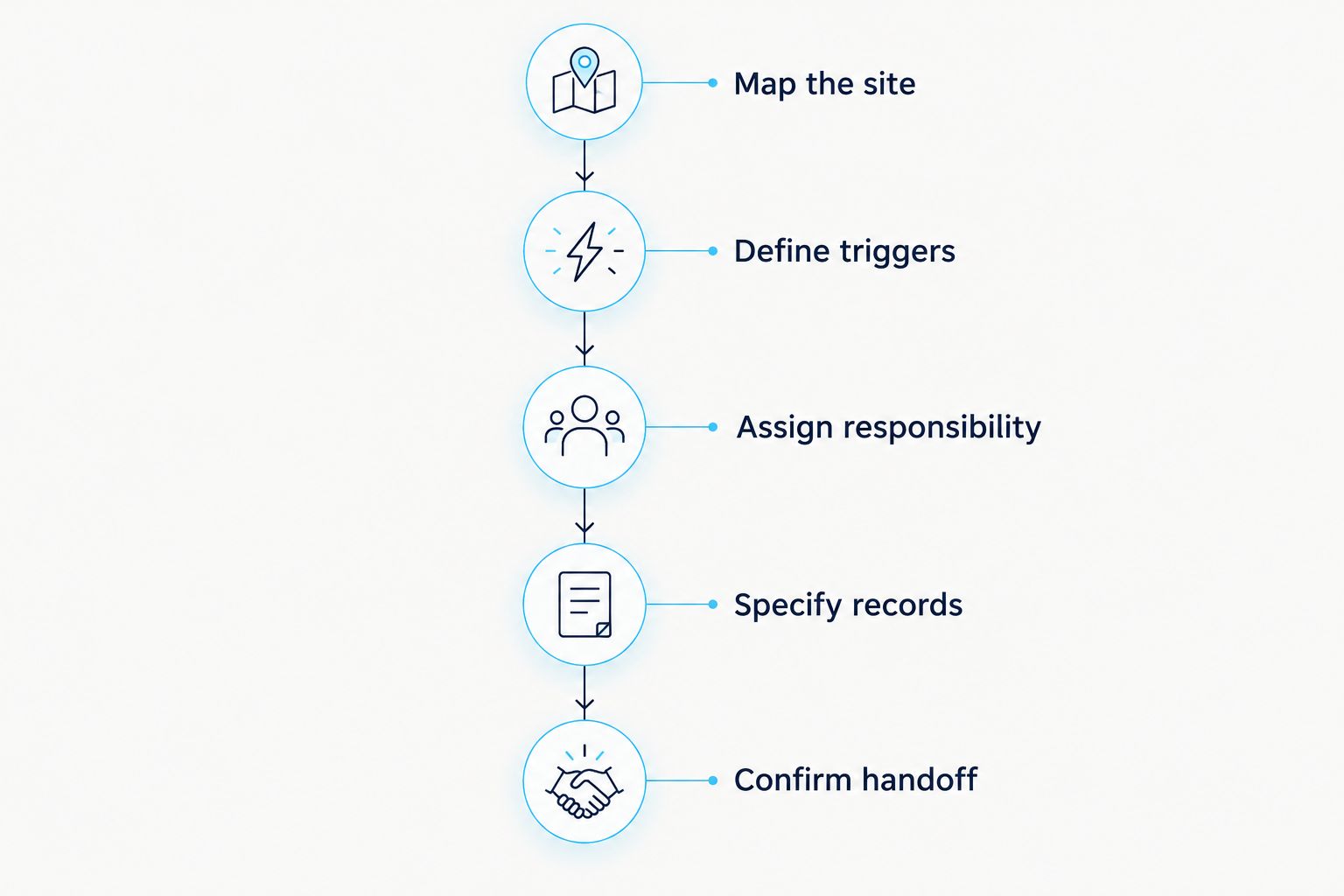
Start with the property, not the sales conversation. Give each contractor the same site information so differences in the proposals reflect actual scope choices rather than different assumptions.
- Map the site. Identify pavement, pedestrian routes, entrances, loading areas, and permitted snow-storage locations.
- Define triggers. Ask the contractor to state what starts plowing, inspection, and ice treatment. Keep these responsibilities distinct.
- Assign responsibility. Identify who handles each area, authorizes additional work, and receives unresolved-condition reports.
- Specify records. State what you need to verify attendance, completed tasks, and remaining exceptions.
- Confirm handoff. Establish when the new agreement takes responsibility and how outstanding work transfers.
A trigger depth is not the entire winter plan. Ask separately how the proposal addresses ice, pedestrian areas, changing conditions, and work that falls outside the initial assignment. Record the answers in the agreement rather than leaving them in email exchanges.
For documentation, request a sample record and inspect what it actually establishes. A clock-in supports attendance; a task checklist identifies recorded work. Neither should be treated as an automatic guarantee that every surface remained clear afterward.
Define your winter service scope
Discuss documented plowing, de-icing/salting, sidewalks, or residential snow-route enrollment.
When staying with Porter's is the right call
Stay with Porter's Lawn Service when the written agreement covers your requirements and the work meets those requirements. A contractor change is not an operating improvement by itself.
For 2026, review the actual scope, completed-work records, communication process, and unresolved items before deciding. If the issue is an unclear boundary, ask whether a written scope correction resolves it. Replacing the contractor without correcting the specification carries the same ambiguity into the next agreement.
Keep the relationship when it works; change the arrangement when the responsibilities do not. That is a stronger decision than choosing solely by familiarity or a ranked position.
FAQ
What's the best Porter's Lawn Service alternative for commercial snow removal?
St. Louis Snow Removal fits property managers and businesses seeking documented commercial snow plowing, de-icing/salting, and sidewalk clearing. Choose it when the property-specific proposal meets your scope and reporting requirements.
Is a snow contractor a replacement for a lawn-service contractor?
Not automatically; winter service and lawn care are separate scopes. Keep or replace each arrangement according to the work you actually need covered.
Can I keep Porter's Lawn Service and hire someone else for winter?
A separate winter-service arrangement is an option to evaluate against your existing agreement. Check contractual responsibilities and assign each property area before adding another contractor.
What should I compare before switching snow contractors?
Compare service areas, work triggers, pedestrian coverage, ice-treatment responsibilities, documentation, and handoff terms. Give each contractor the same site information so the proposals address the same assignment.
Is residential snow-route service the same as an emergency callout?
No; enrolled residential snow-route service should not be treated as an on-demand dispatch promise. Confirm the enrollment requirements and the service terms that apply to your address.
Does proof of service guarantee that nobody will slip?
No; proof of service records work rather than guaranteeing that a surface remains free of hazards. Review what the record establishes and how unresolved or changing conditions are reported.
When should I stay with Porter's Lawn Service instead of switching?
Stay when the agreed scope and actual performance meet your property's requirements. Correct unclear responsibilities in writing before deciding whether a contractor change is necessary.
One last thing
Ask each finalist to mark what is excluded on your site plan. Included work gets attention during a proposal review; excluded work determines what your staff must still arrange. Resolve those gaps before transferring responsibility, not after someone discovers an untreated walkway.